February 13, 2026
Maintaining a furnace is a cornerstone of responsible homeownership, particularly in regions where winters can be harsh. A well-functioning furnace ensures your home remains warm, energy-efficient, and safe, while a neglected system can lead to higher energy bills, unexpected breakdowns, and costly repairs. Understanding proper furnace service practices equips homeowners to prevent problems before they occur and ensures their heating system delivers reliable performance year after year. This article provides a detailed guide to essential furnace service tips, helping homeowners maximize efficiency and extend the life of their units.
How Often Should a Furnace Be Serviced?
Scheduling regular furnace service is crucial for maintaining efficiency and reliability. For most households, a professional inspection at least once a year is recommended, preferably before the heating season begins. This annual maintenance allows technicians to examine every critical component of the furnace, clean accumulated dust and debris, lubricate moving parts, and identify minor issues before they develop into major problems. Homes with older units, extensive use, or exposure to high levels of dust may benefit from more frequent checkups.
Regular service is especially important for older furnaces. According to HomeAdvisor, furnaces over 15 years old operate at roughly 30 percent lower efficiency than newer models. This reduced efficiency not only increases energy costs but also puts additional strain on the system, which can accelerate wear and lead to breakdowns. By scheduling timely furnace service, homeowners can mitigate these issues, ensuring older units continue to operate safely and effectively. Regular maintenance also provides an opportunity for technicians to offer guidance on energy-saving practices and potential upgrades that can further improve efficiency.
What are the Signs That Your Furnace Needs Servicing?
Even with scheduled maintenance, it’s important to remain alert to signs that your furnace may need attention between appointments. Unusual noises such as rattling, grinding, or squealing often indicate mechanical issues, including loose belts, failing motors, or worn bearings. These sounds may start subtly but tend to worsen over time, and addressing them early can prevent more severe damage.
Inefficient heating is another indicator. If certain rooms remain consistently cold, or the system struggles to reach the thermostat’s set temperature, airflow problems or internal component malfunctions may be to blame. Homeowners may also notice sudden spikes in their energy bills without changes in usage; this can signify that the furnace is working harder than necessary due to clogged filters, blocked ducts, or mechanical issues. Irregular cycling, such as the furnace turning on and off more frequently than usual, may point to thermostat problems or faulty controls. Even unusual odors—whether musty, metallic, or reminiscent of burning—should be treated seriously, as they can indicate mold in the ducts, overheating components, or electrical issues. Recognizing these signs early and scheduling a professional furnace service can prevent costly emergency repairs and maintain comfort throughout the home.
What Sets Professional Furnace Services Apart From DIY Maintenance?
Many homeowners wonder which aspects of furnace maintenance they can safely handle themselves. Simple tasks like replacing air filters, keeping the area around the furnace clean, and monitoring thermostat settings are generally safe for homeowners. Regularly changing filters prevents dust buildup, maintains proper airflow, and reduces strain on the blower motor, which can improve indoor air quality and enhance efficiency. Monitoring thermostat performance ensures the furnace operates according to your heating schedule and avoids unnecessary energy consumption.
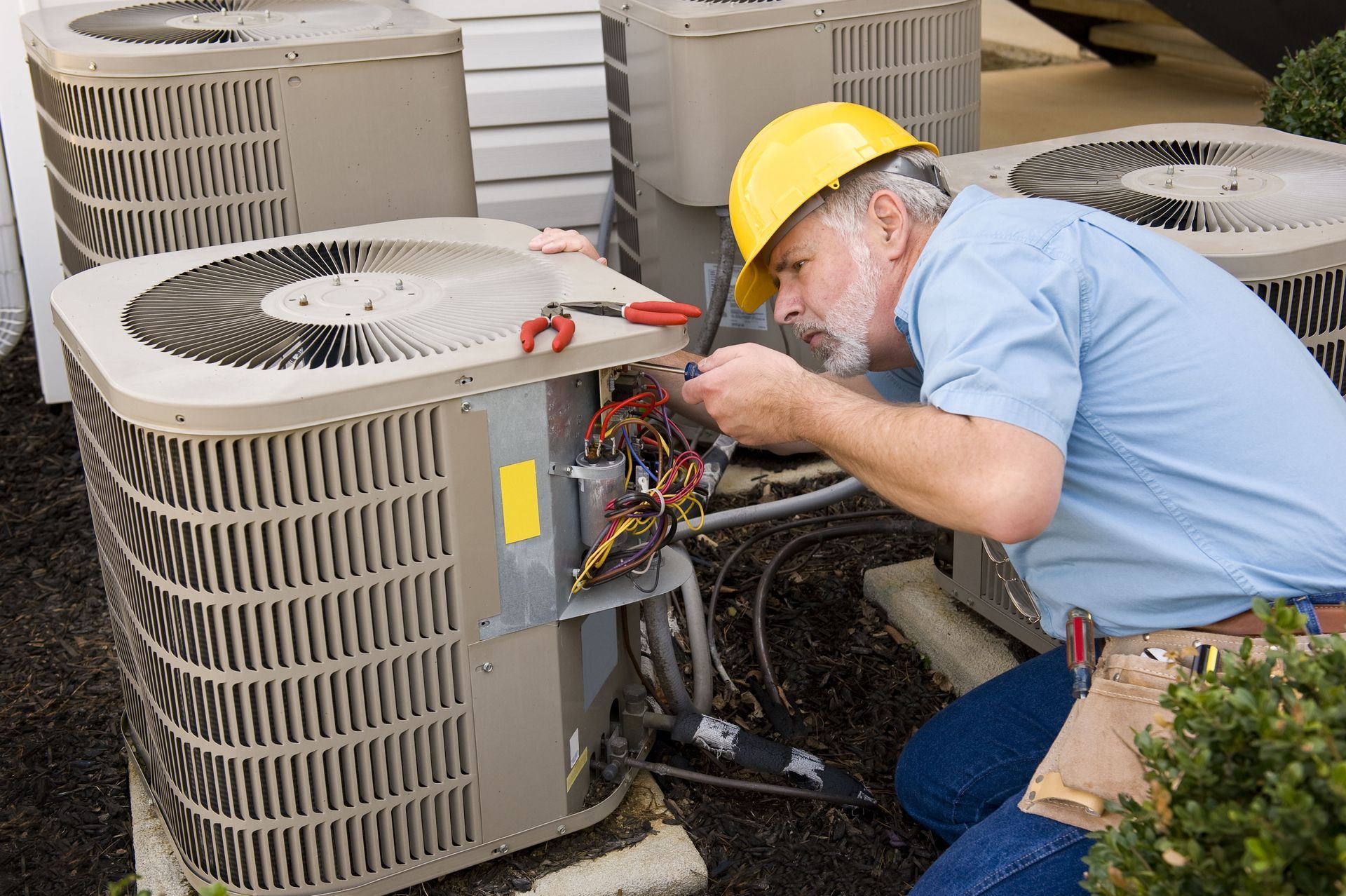
However, professional furnace service is necessary for more complex tasks that involve internal components, electrical connections, and combustion safety. A trained technician inspects the system for hidden issues, cleans burners and blower components thoroughly, lubricates moving parts, checks for gas leaks, tests safety mechanisms, and ensures the furnace operates efficiently and safely. Attempting these tasks without proper expertise can be dangerous and may void manufacturer warranties. By combining DIY upkeep with annual professional furnace service, homeowners can optimize system performance while maintaining safety and compliance with manufacturer guidelines.
What Should You Expect From a Professional Furnace Service?
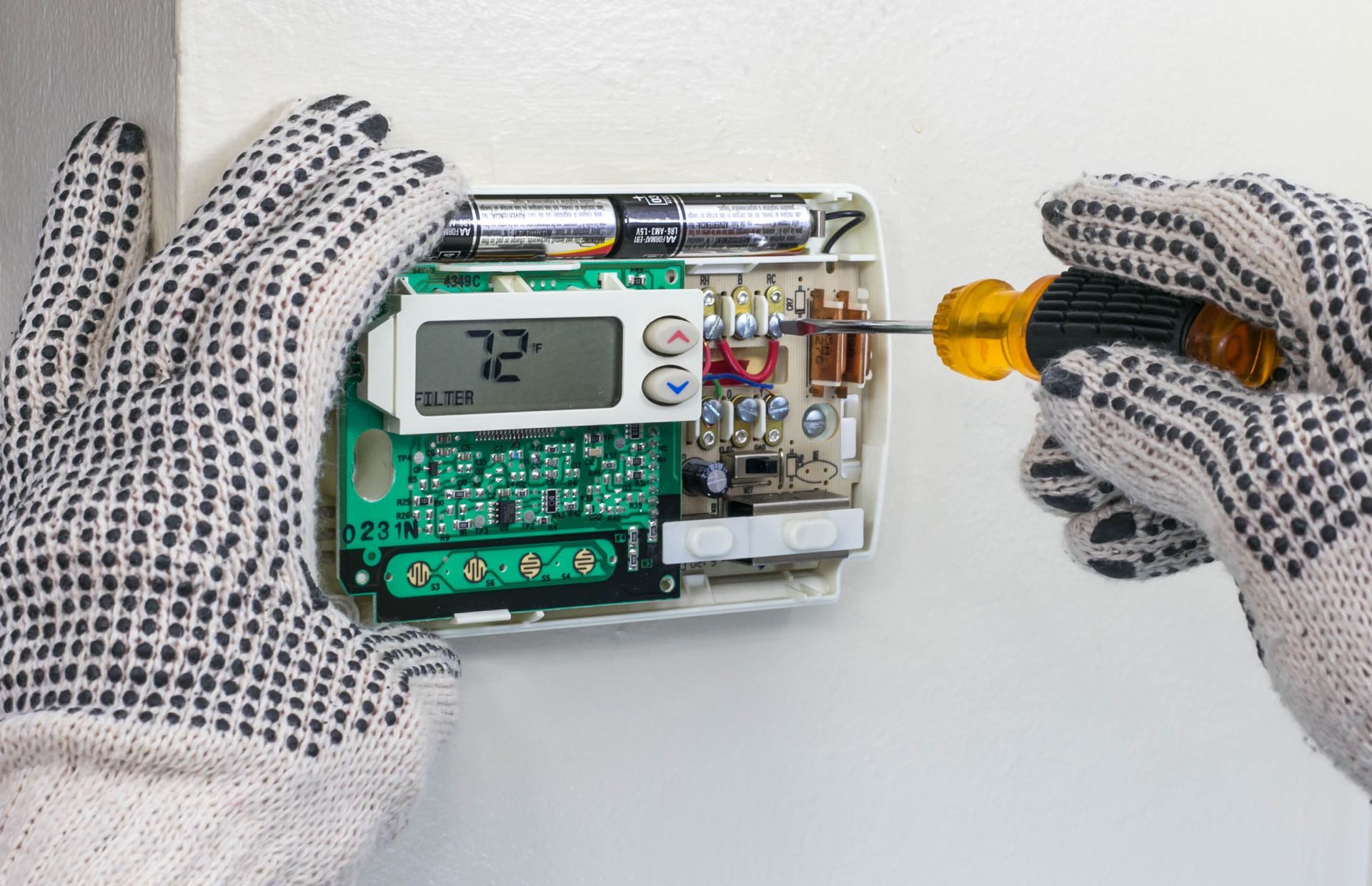
A professional furnace service involves a comprehensive evaluation of the system. Technicians begin with a detailed inspection of the furnace, ductwork, and vents to detect signs of wear, damage, or obstruction. Burners, blower components, and motors are cleaned to remove dust and debris that could hinder efficiency or cause overheating. Lubrication of moving parts minimizes friction and wear while reducing operational noise. Air filters are examined and replaced or cleaned as needed to maintain airflow and indoor air quality. Thermostats are calibrated to ensure precise temperature control, while safety checks verify that combustion gases, venting systems, and electrical connections meet proper safety standards. Finally, the furnace is tested under full operation to confirm reliable and efficient performance. Comprehensive furnace service not only addresses existing problems but also helps prevent future issues, contributing to a longer lifespan and consistent heating performance.
Extending the Life of Your Furnace
Extending the life of a furnace requires both professional maintenance and proactive care by homeowners. Regular furnace service is the most effective step, allowing technicians to detect and correct minor issues before they escalate. Homeowners can further enhance longevity by establishing simple routines such as cleaning or replacing air filters every one to three months to prevent dust accumulation and maintain airflow.
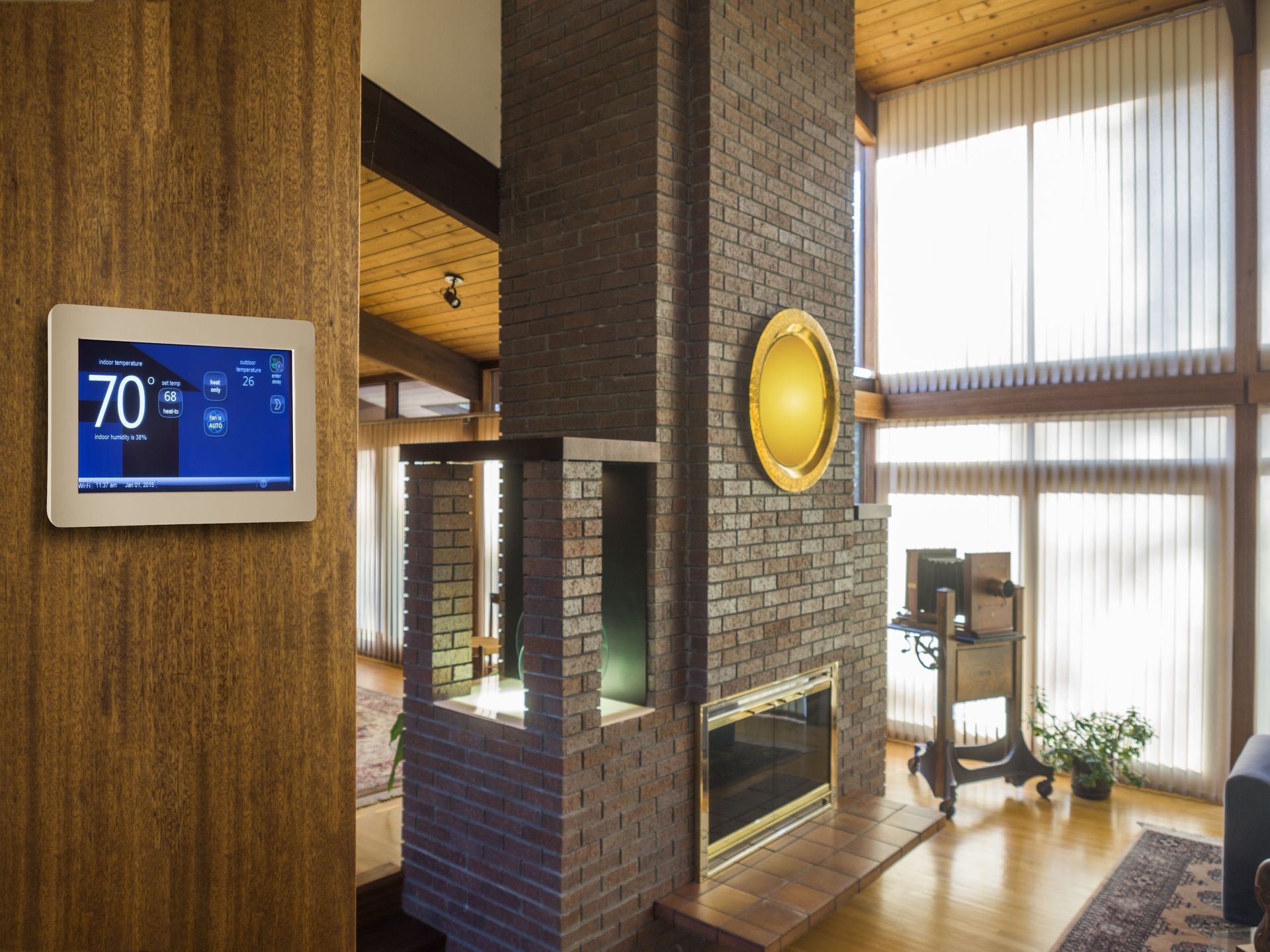
Thermostat management is another key factor. Using programmable thermostats helps avoid extreme temperature fluctuations that can stress furnace components. Gradually adjusting temperature settings rather than abrupt changes keeps the system operating smoothly and efficiently. Proper ventilation also contributes to furnace longevity; keeping vents and registers unobstructed ensures balanced airflow, preventing overheating and uneven heating across the home.
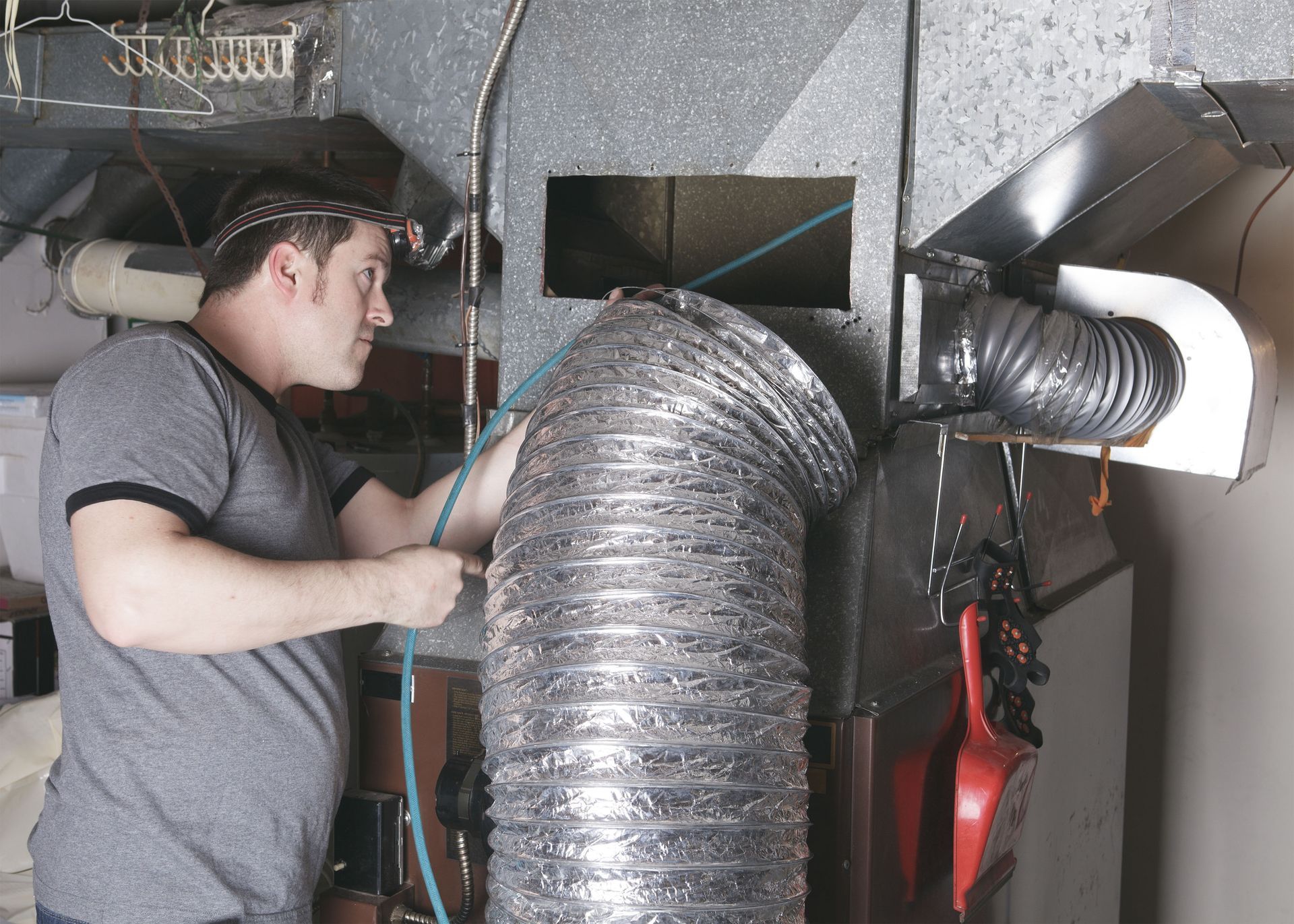
Ductwork maintenance plays a critical role as well. Leaky or dirty ducts force the furnace to work harder, increasing wear and decreasing efficiency. Regular inspection and cleaning of ductwork can prevent these issues, improve airflow, and reduce energy consumption. The environment around the furnace should also be maintained carefully. Keeping the area free of clutter, monitoring humidity levels, and ensuring proper ventilation helps protect system components and reduces the risk of damage or hazards. By combining professional furnace service with these proactive strategies, homeowners can enjoy a heating system that remains efficient, safe, and reliable for many years.
Practical Tips for Homeowners
In addition to professional service, homeowners can implement practical strategies to enhance furnace performance and reliability. Monitoring the system for early warning signs, maintaining clear access to the unit, and scheduling timely inspections are fundamental practices. Keeping track of the furnace’s age and efficiency can also help determine when upgrades or replacement may be more cost-effective than ongoing repairs. In homes with pets or high levels of dust, more frequent attention to filters and vents may be necessary to sustain performance. By treating the furnace as a key investment in the home’s comfort and safety, homeowners can prevent problems, improve energy efficiency, and avoid the stress of unexpected breakdowns.
A well-maintained furnace is essential for comfort, safety, and energy efficiency in any home. Understanding the importance of furnace service, recognizing early warning signs, and combining routine DIY maintenance with professional inspections are all critical for optimal system performance. Regular attention not only reduces energy costs and prevents unexpected repairs but also extends the life of the furnace, even in older systems that may operate less efficiently. By following these essential furnace service tips, homeowners can enjoy consistent warmth, improved energy efficiency, and peace of mind, ensuring their heating system continues to provide reliable performance year after year. If you need reliable
furnace service, reach out to the dedicated team at MG Heating & Cooling today!